

Planned Preventive Maintenance (PPM)
A Planned Preventive Maintenance (PPM) schedule is a forward-looking maintenance strategy designed to protect the condition, performance and long-term value of a commercial property.
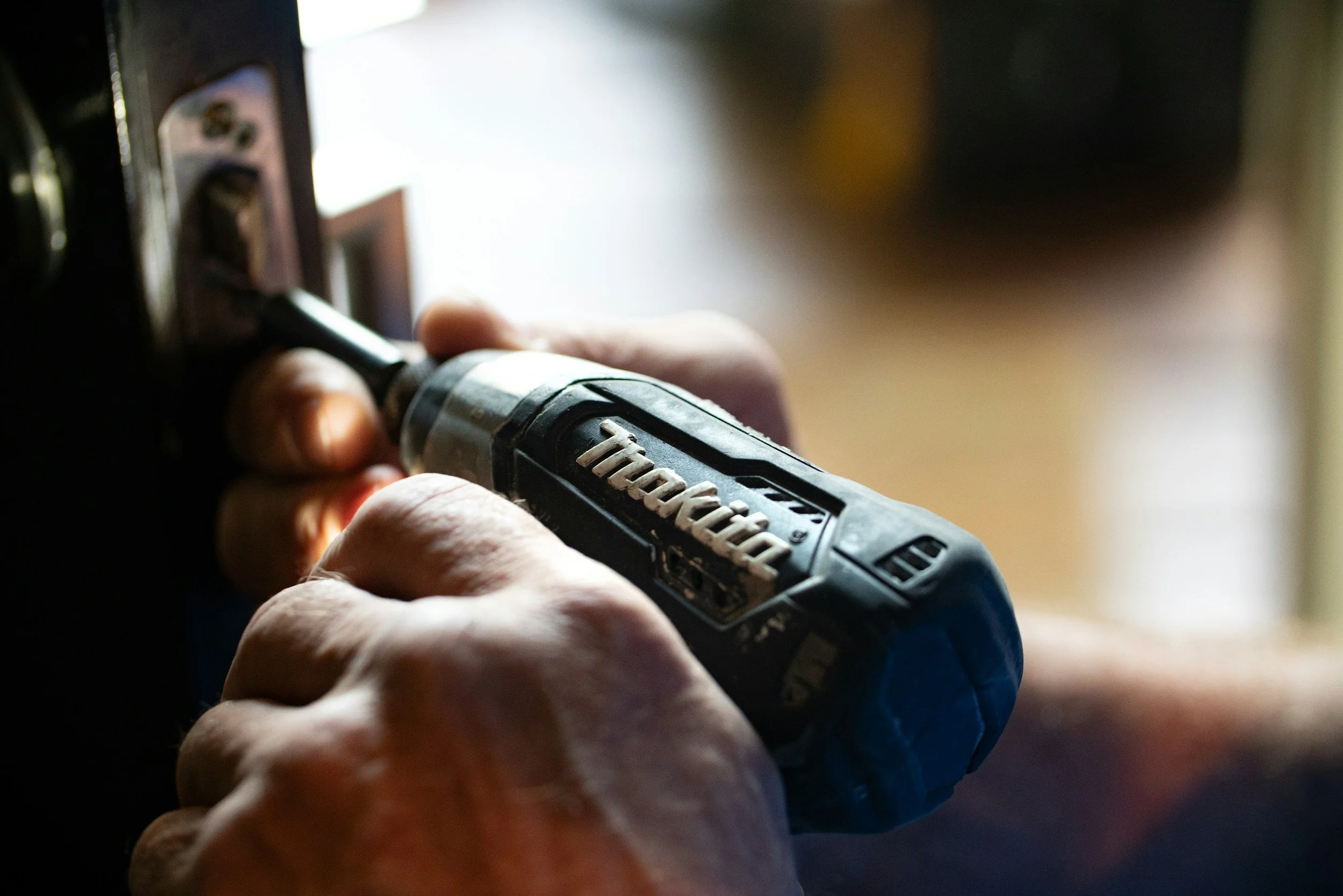
Rather than reacting to issues as they arise, a PPM schedule sets out anticipated maintenance requirements over a defined period (typically five to ten years), enabling owners to plan works sensibly alongside managing risk and budget.
We prepare PPM schedules for landlords, investors and property owners, providing practical, proportionate advice grounded in the realities of the building.
Rather than reacting to issues as they arise, a PPM schedule sets out anticipated maintenance requirements

When and Why a Maintenance Schedule Is Needed
Commercial properties are long-term assets. Without structured maintenance planning, minor issues can escalate into more significant and costly problems.
A well-prepared maintenance schedule supports:
Preservation of Asset Value
Regular inspections and planned works help address minor defects before they deteriorate, protecting the long-term value of the property.
Improved Tenant Satisfaction
Prompt, planned maintenance reduces disruption, enhances occupier experience and supports tenant retention. Helping to reduce void periods and protect income.
Risk and Liability Mitigation
Ongoing inspection and compliance management reduces the likelihood of safety issues, regulatory breaches and associated legal risk.
Operational Efficiency
Planned servicing of roofs, mechanical systems, drainage and electrical installations helps prevent unexpected breakdowns and costly emergency repairs.
Energy Performance and Cost Control
Maintenance planning allows owners to identify opportunities for efficiency improvements, reducing energy wastage and supporting lower operating costs.
Long-Term Financial Planning
By forecasting expenditure over several years, a PPM schedule enables informed budgeting and strategic decision-making, rather than reactive spending.
Without a structured maintenance plan, costs often become unpredictable and risk exposure increases.

How We Support Property Owners
Our role is to provide a clear, practical roadmap for maintaining your property responsibly and efficiently.
Our Planned Preventive Maintenance schedules typically include:
A detailed inspection of the building fabric and key elements
Identification of current condition and future maintenance requirements
Prioritised works across short-, medium- and long-term timeframes
Budget cost projections to support financial planning
Clear commentary to aid decision-making
The level of detail is proportionate to the property and ownership objectives — ensuring advice remains commercially sensible rather than over-engineered.
Why GJS Dillon?
Clients choose our building surveying team because we combine technical expertise with commercial awareness and practical judgement.
WHAT THAT MEANS IN PRACTICE IS:
-

EXPERIENCED ADVICE
ACROSS A WIDE RANGE OF COMMERCIAL PROPERTY TYPES -

COMMERCIALLY FOCUSED
RECOMMENDATIONS ALIGNED TO OWNERSHIP OBJECTIVES -

PROPORTIONATE APPROACH
THAT IS REALISTIC, PRIORITISED AND BUDGET-CONSCIOUS -

CLEAR COMMUNICATION
WITH STRUCTURED REPORTING THAT SUPPORTS DECISION-MAKING
Wider building surveying support
Defect analysis often forms part of a wider strategy. Our building surveying team can also assist with:
-
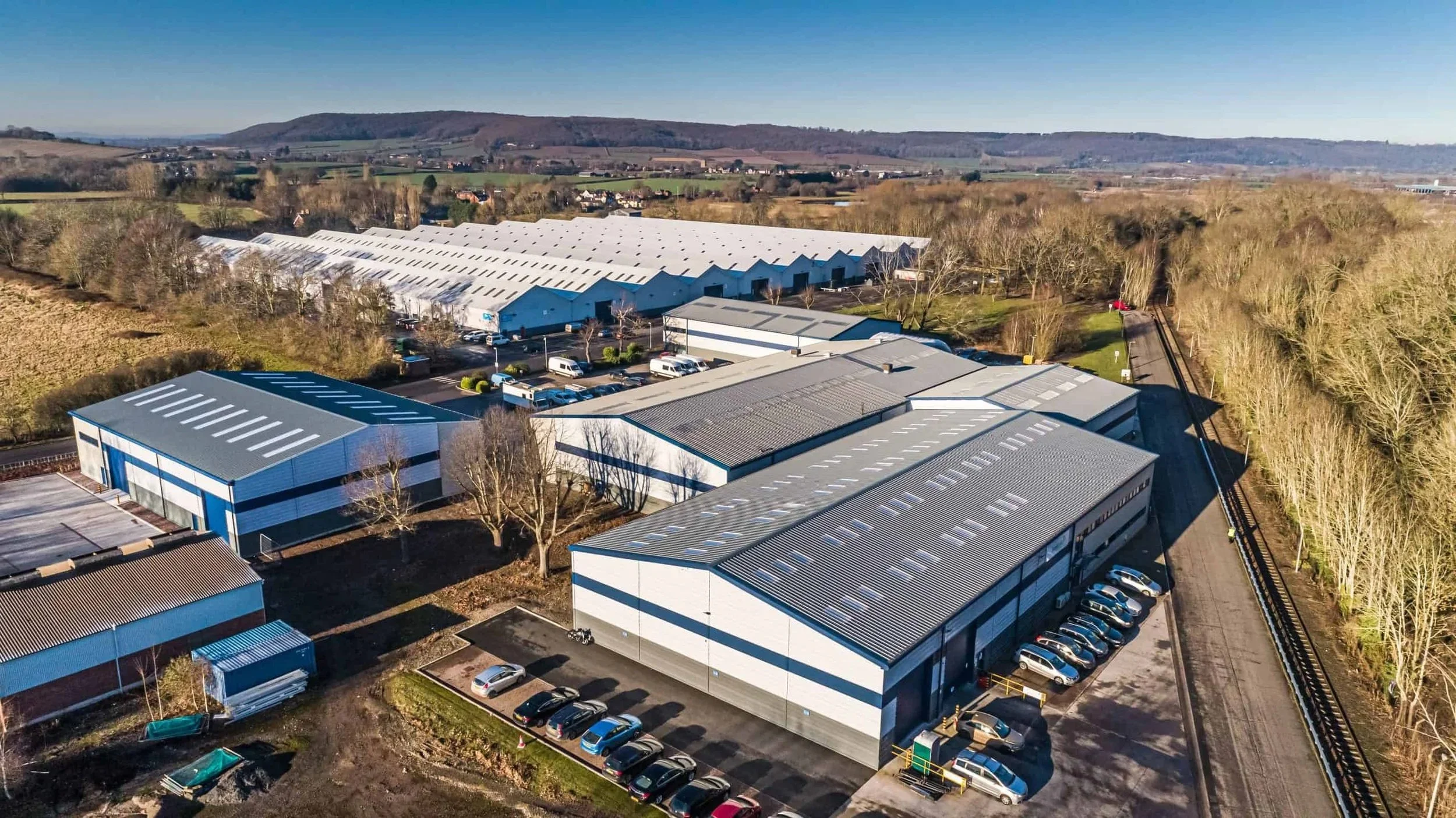
Commercial Building Surveys
-

Schedules of Condition
-

Reinstatement Cost Assessment
-

Dilapidations Advice
This joined-up approach ensures maintenance planning aligns with wider asset strategy and property lifecycle decisions.
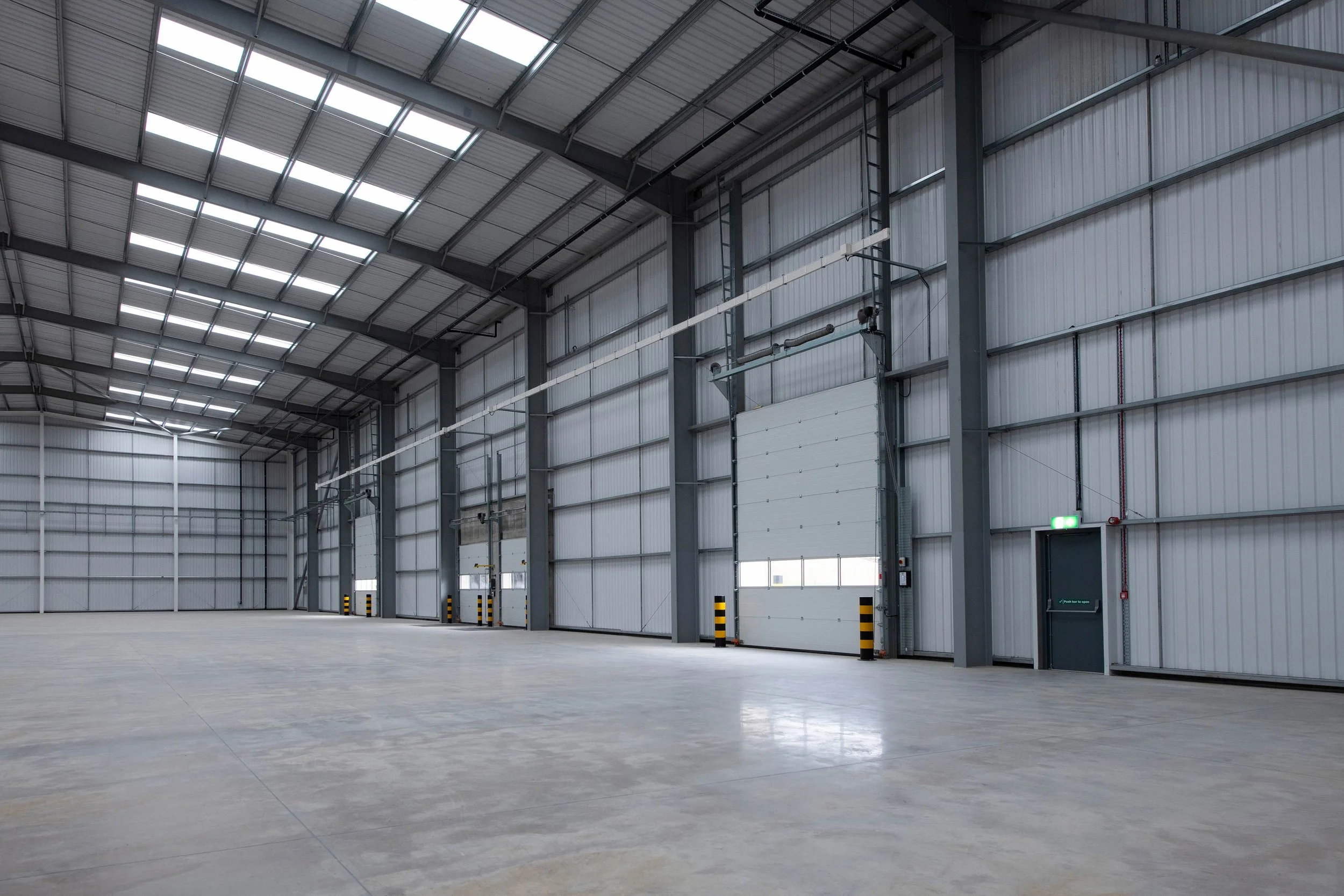
If you would like to protect the long-term performance of your property and introduce greater certainty into your maintenance budgeting, we’re here to help.
Contact Rob Cant, Director Building Surveying & Project Consultancy, to discuss your requirements and receive clear, commercially grounded advice.
Your Next Step
Frequently Asked Questions (FAQs)
-
A PPM schedule is a structured plan setting out anticipated maintenance requirements over a defined period, helping owners plan work and budget effectively.
-
Typically, every 3 -5 years, or following a significant refurbishment or acquisition.
-
No. Even single-asset owners benefit from planning, particularly where budgets and cash flow are key considerations.
-
No, it reduces reliance on reactive work by identifying issues early and planning.
-
Yes. Well-maintained buildings enhance occupier experience and reduce operational disruption.
What’s The Best First Step?
Start with a discussion about the property and your ownership objectives. From there, we can advise on the appropriate scope and level of detail.
Supporting Real-World Commercial Property Decisions
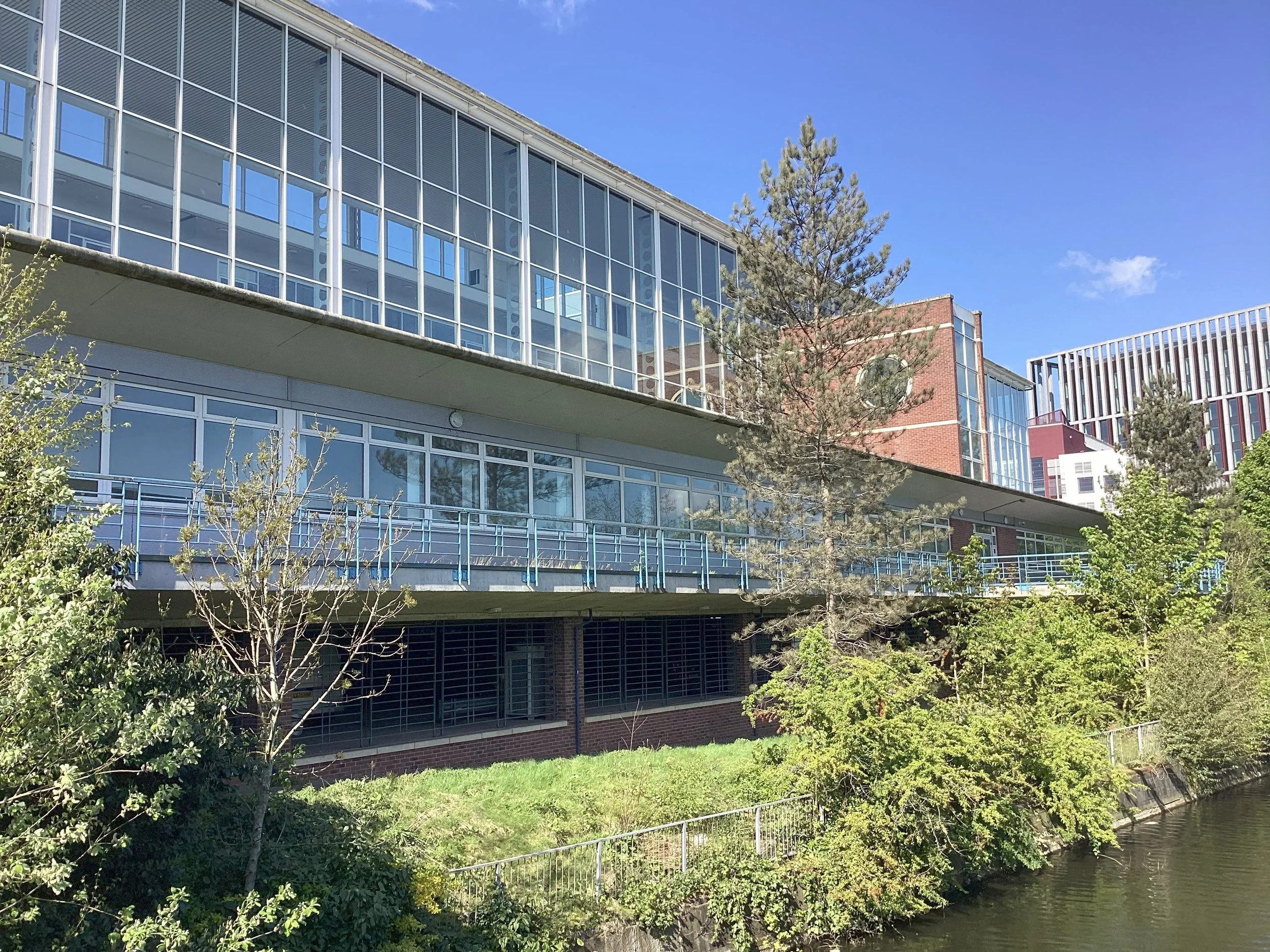

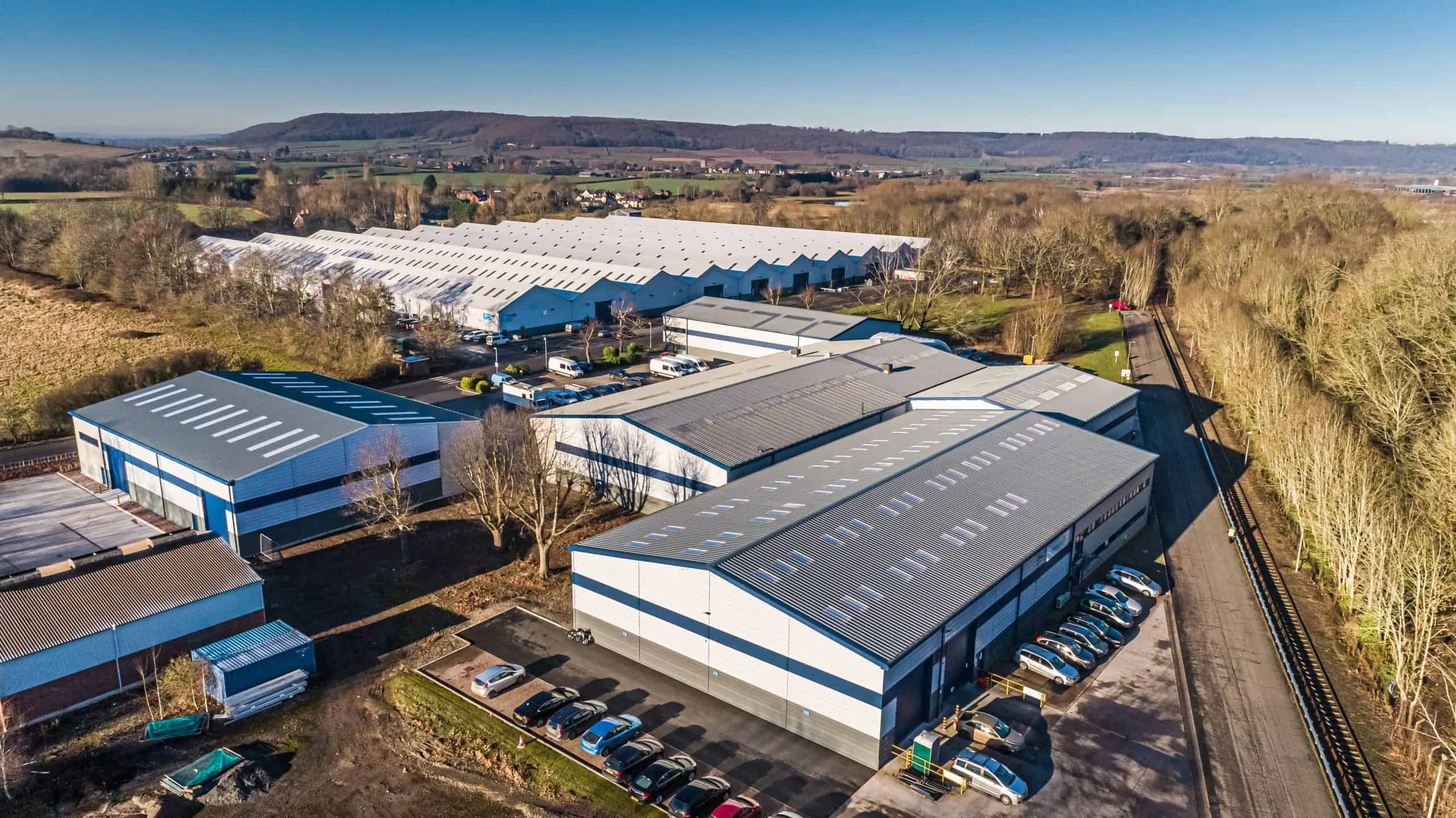
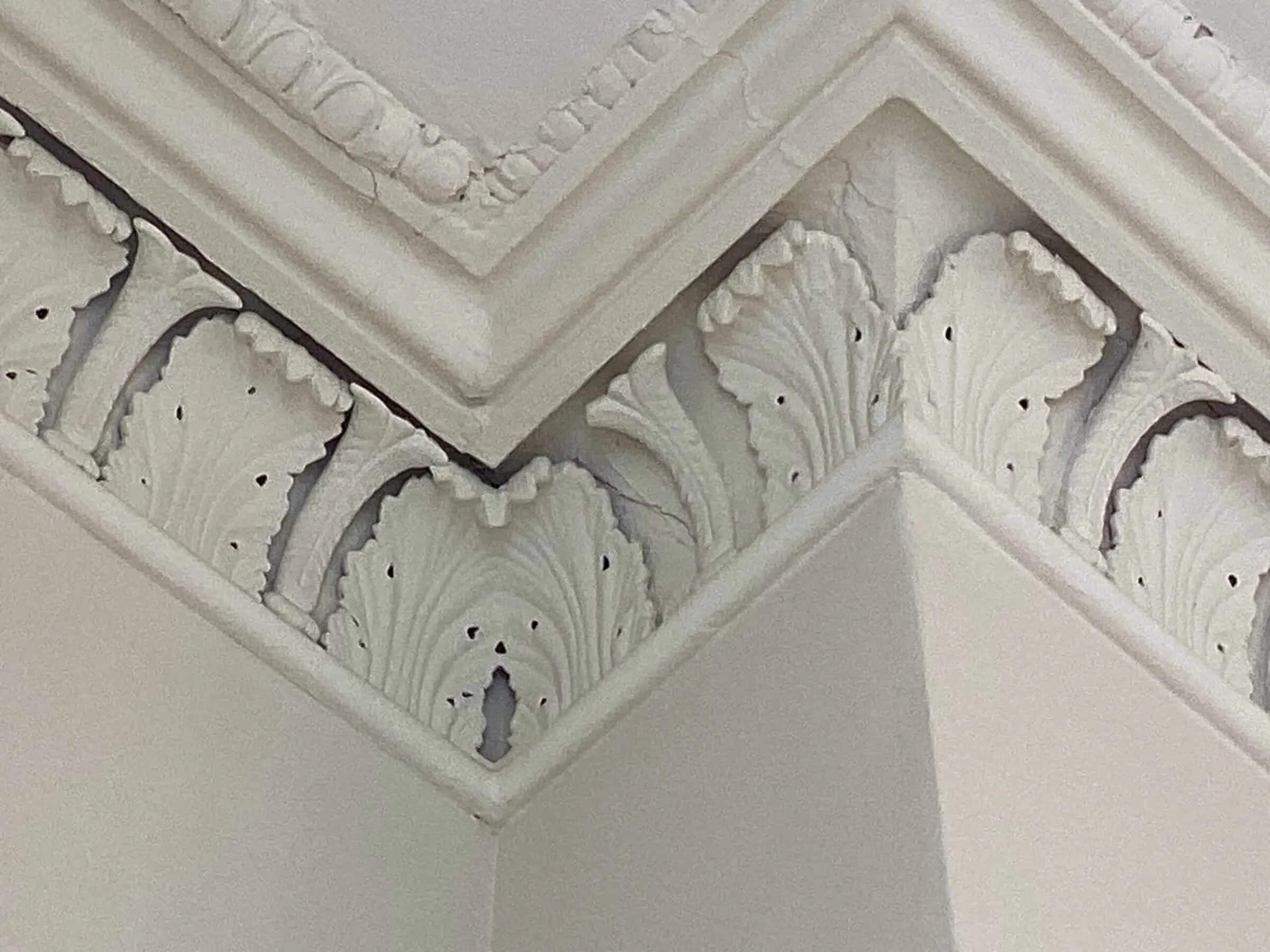
We work with a wide range of clients across different sectors, providing practical, commercially focused advice that supports confident property decisions.