
Schedule of condition for Grade II listed building in Cheltenham
Case Study
The Situation
Montpellier is one of Cheltenham’s most desirable and historic districts, renowned for its Regency architecture and concentration of Grade I and Grade II listed buildings. The area is particularly sought after for office accommodation due to its elegant period properties and close proximity to high-quality bars, restaurants, and specialist retail.
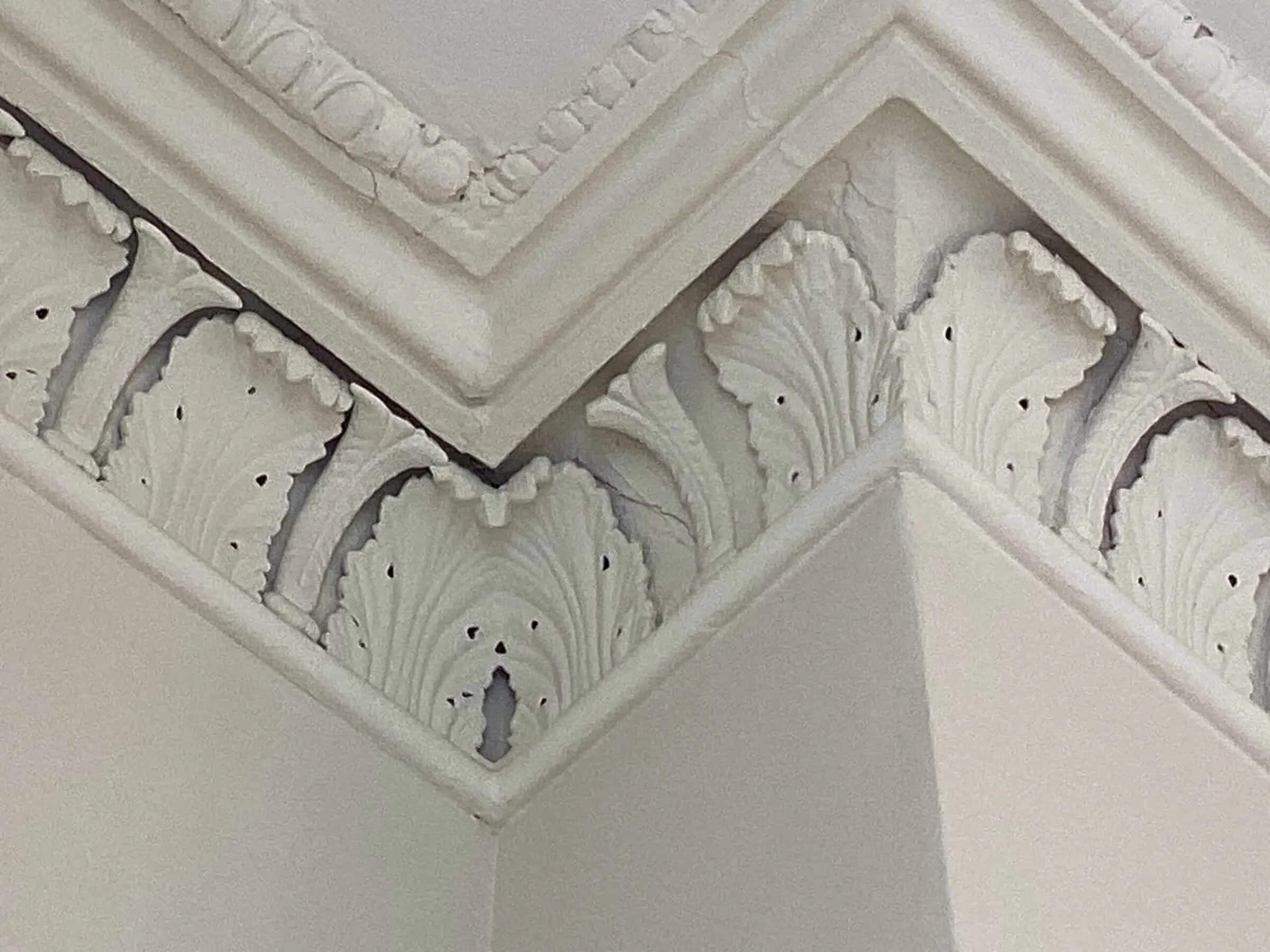
The subject property was a prestigious Grade II listed Georgian villa dating from 1839–1840. Originally constructed as a private residence and later used as a bank, the building had evolved over time, including the addition of a three-storey extension in the 1980s to provide modern office accommodation. Despite these later alterations, the property retained significant historic fabric and architectural detail, including stucco façades, decorative ironwork, grand columns to the entrance porch, marble fireplaces, ornate cornicing, and original stair detailing.
A new tenant was considering a lease of part of the building and required clarity on the property’s condition, potential liabilities, and future maintenance obligations—particularly important given the building’s listed status and multi-let arrangement.
Our Role
We were instructed by the incoming tenant to provide:
A Schedule of Condition to accurately record the property’s condition at lease commencement
Professional advice on structural integrity, fabric condition, and future risks
An assessment carried out in accordance with RICS best practice, suitable for legal reference if required
Given the age, construction type, and Grade II listing, it was also recommended that an enhanced pre-acquisition building survey be undertaken to support the tenant’s due diligence and protect them from unforeseen liabilities.
How We Helped
Our approach focused on delivering a thorough, defensible, and practical assessment of the building.
Schedule of Condition
A detailed description of the building’s construction and condition
Comprehensive internal inspection of all accessible areas, including fireplaces, chimneys, damp risks, staircases, finishes, joinery, ceilings, walls, floors, and services interfaces
Full external inspection of façades, windows, doors, rainwater goods, stucco render, roof structure (assessed using drone technology), and external areas including parking and boundaries
Extensive photographic evidence to support all findings and protect the tenant from future dilapidations claims
Building Survey & Due Diligence
Assessment of both visible and concealed risks, including damp, timber decay, roof defects, and structural movement
Consideration of health and safety, fire compartmentation, and fire legislation compliance
Review of wider environmental and compliance risks such as radon, flooding, invasive species, and asbestos
Advice on likely service charge implications due to the multi-tenanted nature of the building
Professional Guidance
Clear identification of pre-existing defects
Recommendations for repairs, maintenance priorities, and further investigations
Advice to implement an asbestos management plan prior to any intrusive works
Outcome
The property was found to be in reasonable overall condition, particularly considering its age and listed status. While a number of maintenance items were identified—such as chimney repairs, rainwater goods, stucco render, window decorations, internal finishes, and fire compartmentation—these were not considered excessive or unusual for a building of this type.
Minor defects were also noted, all of which could be addressed with relatively modest investment. Once recommended works were completed, the property could be maintained through a planned maintenance programme to ensure its continued good condition.
Most importantly, the surveys provided the tenant with confidence and peace of mind, confirming that they were entering into a lease with a clear understanding of their liabilities and without exposure to unexpected costs. The detailed reporting also placed the tenant in a strong position for informed negotiations and future financial planning.
We’re here to help
It is advisable to obtain a Schedule of Condition before you lease a commercial property and consider enhanced surveys if the property is a Grade II listed commercial property.
If you require any help with building surveys or schedules of condition on Grade II listed commercial properties please call our team on 01905 676169 or email info@gjsdillon.co.uk.