
News & Insights
Practical Commercial Property Guidance for Sales, Lettings and Acquisitions
Informed perspectives on the issues shaping commercial property across the West Midlands and surrounding areas.
Our News & Insights page brings together market commentary, transactional updates and professional analysis from the GJS Dillon team. From regional supply and demand trends to legislative change and strategic guidance, we share the insights that help owners, occupiers and investors make better-informed decisions.
Stay connected to the conversations influencing the commercial property market and the opportunities emerging within it.

Top Reasons Every Commercial Property Needs a Planned Preventative Maintenance Schedule
A planned preventative maintenance (PPM) schedule is essential for maintaining the value, efficiency, and long-term performance of commercial property assets. Proactive maintenance helps landlords protect investment value, improve tenant satisfaction, ensure regulatory compliance, reduce operational disruptions, and enhance energy efficiency. By supporting sustainability goals and enabling effective long-term budgeting, a structured maintenance strategy safeguards property performance while maximising rental appeal and profitability.

The changing role of a building surveyor: Why they are essential for commercial property owners
The role of the building surveyor has evolved rapidly in recent years, driven by new regulations, sustainability expectations, technology, and growing pressure on commercial property performance.

Safeguard your property with a current Reinstatement Cost Assessment (RCA)
A must for 2026 is to safeguard your property with a Reinstatement Cost Assessment (RCA.) Also known as a building reinstatement cost assessment, it provides a precise evaluation of the cost required to reinstate a property and its contents, after damage, including materials, labour, clean-up etc. This differs from a valuation of the property, which is a researched current market value of the property based on location, size etc. to gain a sale/purchase price.

Seamless Relocation and Fit-Out for Veterinary Practices
A local vet surgery business had grown significantly over the last 18 months, which meant that their current premises was no longer suitable to accommodate the increase in demand for their services. They decided they needed to relocate to larger premises that could support day-to-day operations and future expansion. The priority was to understand what would be required to make the new space work as a modern vets practice and to manage the move without unnecessary disruption.
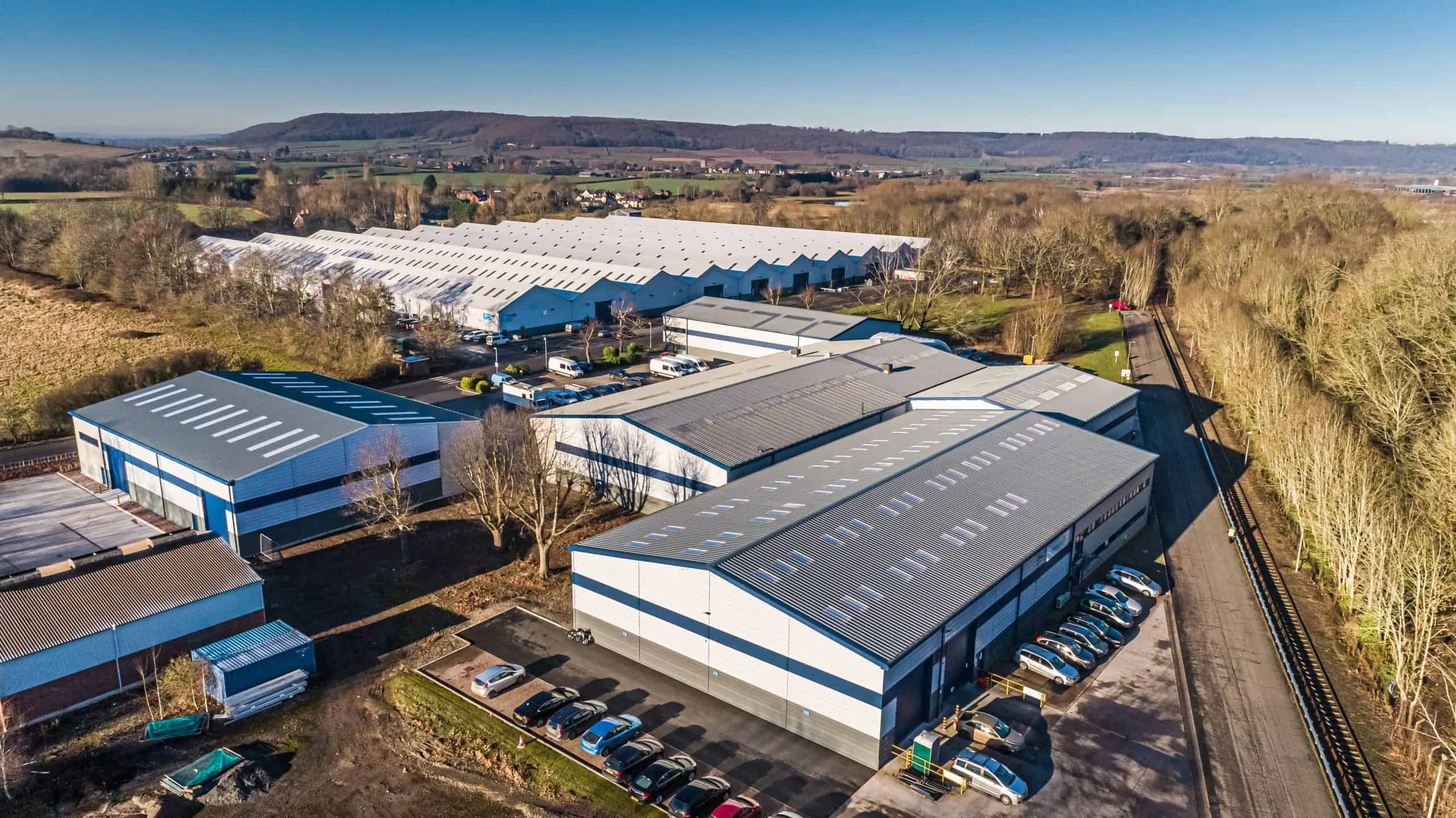
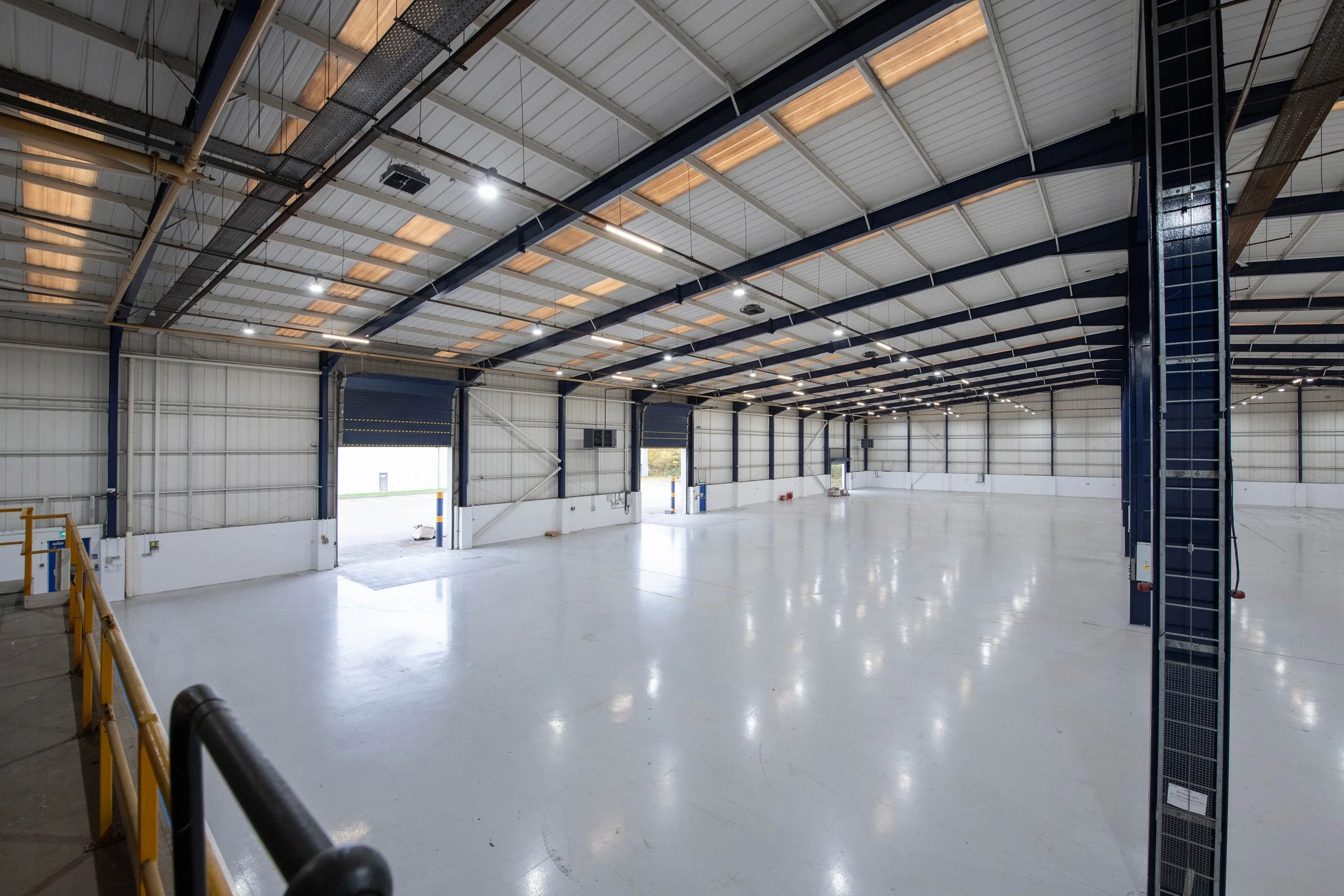
Protecting a landlord’s position at lease expiry.
In 2023, Moreton Business Park, Herefordshire required a series of Schedule of Condition surveys to document the state of various warehouse units prior to new lease agreements. The goal was to protect the landlord’s long-term asset value and reduce the risk of disputes at the end of leases regarding damage, alterations, or dilapidation claims.
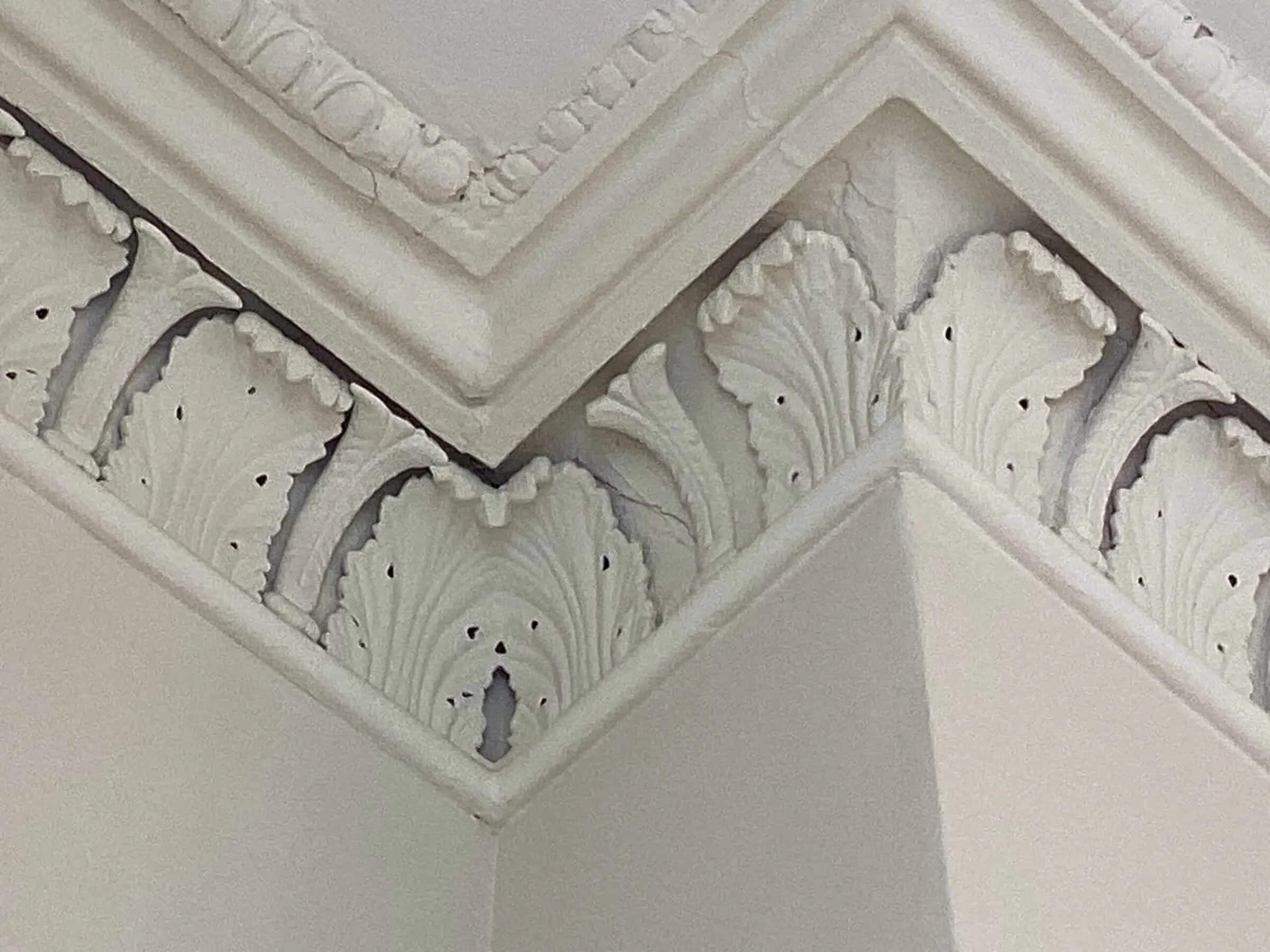
Schedule of condition for Grade II listed building in Cheltenham
Case Study: Schedule of Condition for Grade II Listed Office, Cheltenham
This project involved providing a RICS-compliant Schedule of Condition and building survey for an incoming tenant leasing part of a Grade II listed Georgian office building in Montpellier, Cheltenham.
Given the property’s listed status, historic fabric, and multi-let arrangement, the tenant required clarity on condition, repair liabilities, and future maintenance risks. Our inspection covered internal and external elements, including a drone-assisted roof survey, fire safety considerations, environmental risks, and extensive photographic records to protect against future dilapidations claims.
The building was found to be in reasonable condition for its age, with only typical maintenance items identified. The reporting gave the tenant confidence, legal protection, and a clear understanding of liabilities, supporting informed lease negotiations and future planning.
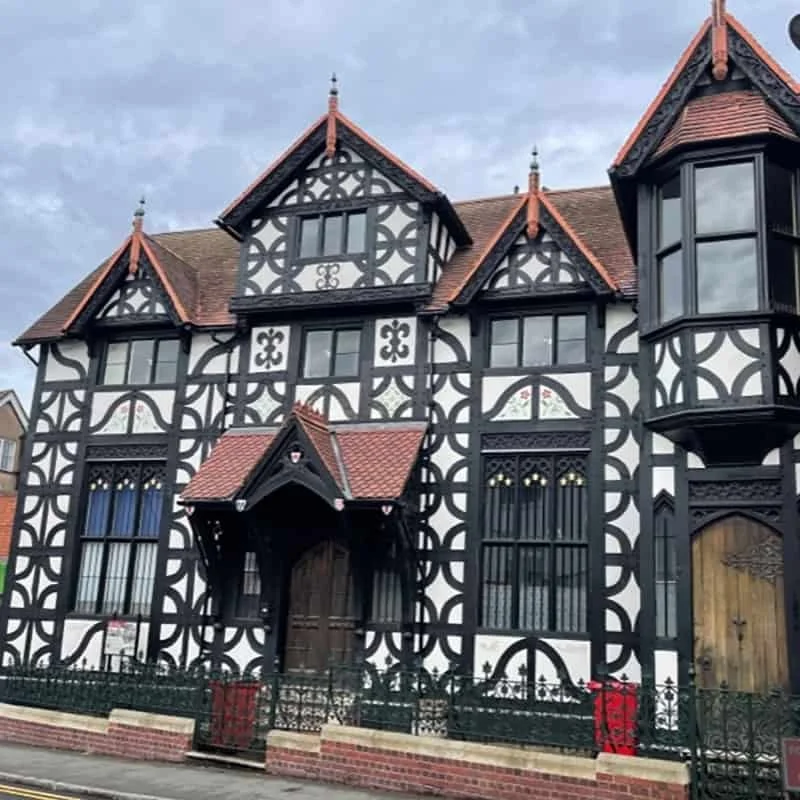
Reinstatement Cost Assessment for insurance purposes – The Tudor House, Bromsgrove
Case Study: Reinstatement cost assessment for insurance purposes
GJS Dillon provided a specialist reinstatement cost assessment for The Tudor House, Bromsgrove, delivering an accurate building insurance valuation for a historic property through expert building surveying inspection and reporting.

The importance of a Schedule of Condition
This article explains the importance of a Schedule of Condition when entering into a commercial lease and highlights the growing risks for tenants who fail to commission one. It outlines how a professionally prepared Schedule of Condition provides a clear, legally defensible record of a property’s condition at lease commencement, helping to limit repairing obligations and avoid costly dilapidations disputes. The article compares photographic and full Schedules of Condition, explains what they typically include—such as written descriptions, photographs, plans, and drone roof inspections—and emphasises why informal or DIY records are insufficient. Ultimately, it reinforces that investing in a robust Schedule of Condition is essential for protecting landlords, tenants, and property owners from future liability, with professional advice available from GJS Dillon.

What is the difference between a Valuation and an RCA?
This article explains the key differences between a commercial property valuation and a Reinstatement Cost Assessment (RCA)—two reports that are often confused but serve very different purposes.
A RICS commercial valuation provides an evidence-based assessment of a property’s current market value, typically required for lending, tax, asset management, or buying and selling. In contrast, an RCA is an insurance-based assessment, calculating the full cost of rebuilding a property to its current condition following damage or destruction, taking into account construction costs, labour, materials, professional fees, and regulatory requirements.
The article highlights that rebuild costs can be significantly higher than market value, meaning relying on a valuation alone can lead to underinsurance or overpayment on premiums. It explains why insurers increasingly request RCAs and why both valuations and RCAs should be reviewed regularly, typically every three years, due to changing market conditions and construction costs.
The piece concludes by reinforcing the importance of having the correct professional advice to protect commercial property assets and business continuity, and outlines how GJS Dillon can assist with valuations, RCAs, or both.