
Schedules of Dilapidations
Clear, commercially grounded advice to help landlords and tenants understand their position and manage exposure at lease end.
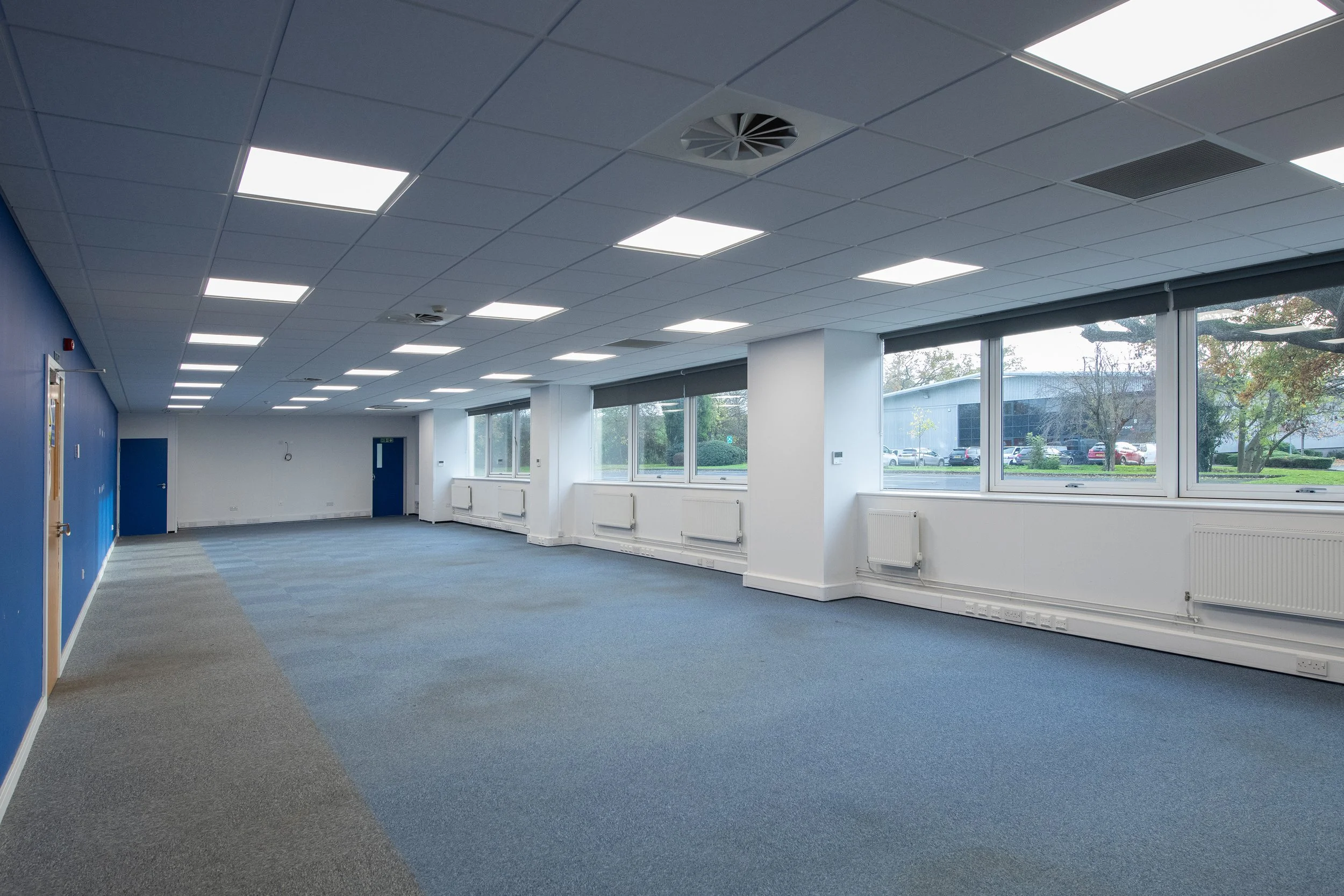
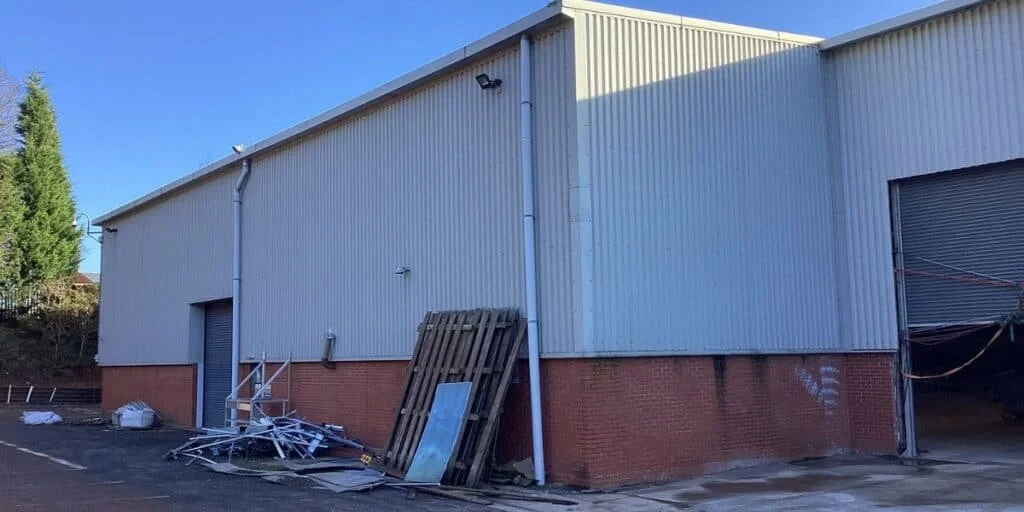
A Schedule of Dilapidations is a formal document that sets out a tenant’s obligations to repair, reinstate or remedy breaches of a commercial lease. It provides the basis for identifying works required and, where appropriate, supporting a financial claim in line with the lease terms.
We prepare schedules for both landlords and tenants, providing clear, proportionate advice that reflects the condition of the property, the lease covenants and the commercial realities of the situation.
Our building surveying and project consultancy team combines technical expertise and a wealth of experience you can trust
When and Why a Schedule of Dilapidations Is Needed
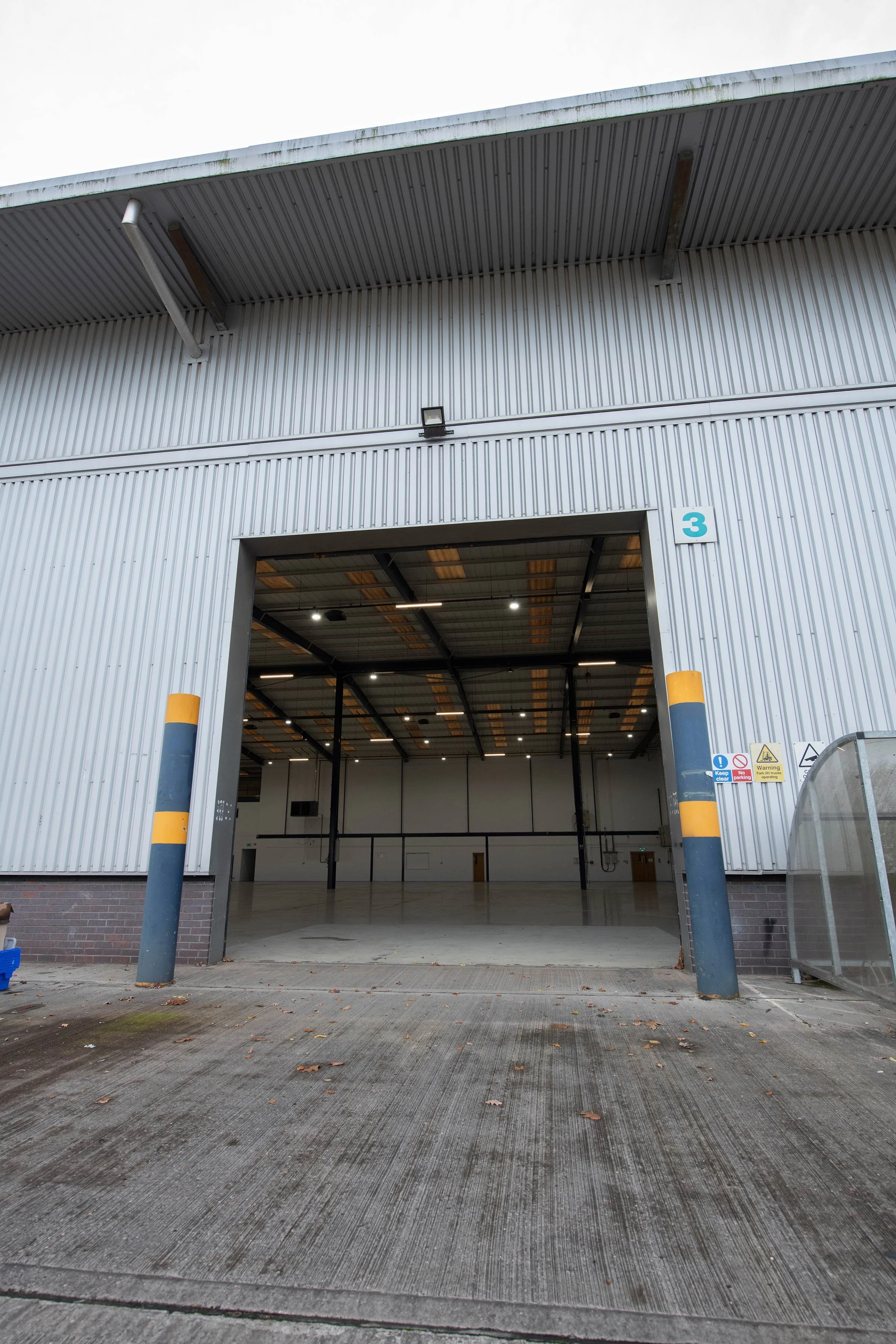
Commercial leases typically include repairing and reinstatement obligations designed to protect the condition and value of a property over time.
A Schedule of Dilapidations identifies where those obligations have not been met, setting out the relevant breaches of lease and the works required to remedy them. This may be served during the term of a lease (interim dilapidations) or towards lease expiry (terminal dilapidations).
For landlords, a well-prepared schedule helps protect value, support negotiations and provide a clear basis for recovering costs where appropriate.
For tenants, early and informed advice helps clarify exposure, avoid unnecessary claims and support fair, commercially sensible outcomes.
Without a properly prepared Schedule of Dilapidations, landlords may struggle to enforce repairing obligations, while tenants may face uncertainty or disproportionate claims.

How We Support Landlords and Tenants
Our role is to help clients understand their position clearly and deal with dilapidations in a controlled, proportionate way.
Our schedules typically include:
A clear breakdown of remedial and reinstatement works required under the lease
An assessment of condition based on inspection and lease interpretation
Reasoned cost advice for the works identified
Clear timescales and supporting commentary to aid negotiation and resolution
Where works are undertaken, we can re-inspect the property to confirm whether obligations have been satisfied to the required standard.
Why GJS Dillon?
Clients choose our Building Surveying and Project Consultancy team because we combine technical expertise with a practical, commercial understanding of how buildings are used, managed and invested in.
WHAT THAT MEANS IN PRACTICE IS:
-

EXPERIENCED ADVICE
ACTING FOR BOTH LANDLORDS AND TENANTS ACROSS A WIDE RANGE OF PROPERTY TYPES -

COMMERCIALLY FOCUSED
ADVICE SHAPED AROUND RISK, LEASE TERMS AND THE LIKELY OUTCOME, NOT THEORETICAL POSITIONS -

PROPORTIONATE APPROACH
FOCUSED ON ACHIEVING FAIR, DEFENSIBLE OUTCOMES WITHOUT UNNECESSARY ESCALATION -

CLEAR COMMUNICATION
EXPLAINING IMPLICATIONS AND OPTIONS IN PLAIN, PROFESSIONAL LANGUAGE
Our dilapidations advice is delivered by experienced surveyors led by Rob Cant, Director -Building Surveying & Project Consultancy, and provided in accordance with RICS guidance.
Wider building surveying support
In addition to dilapidations advice, our building surveying team can support clients with related matters, including:
-

Schedules of Condition
-

Commercial Building surveys
-

Reinstatement Cost Assessments
-

Project and refurbishment advice

If you’re approaching lease expiry, dealing with a dilapidations claim or would like early advice on your position, we’re here to help.
Contact our building surveying team to discuss your requirements and receive clear, commercially grounded advice on the best way forward.
Your Next Step
Frequently Asked Questions (FAQs)
-
Ideally, advice should be taken before a lease ends, not after a claim has been made. Early input allows you to understand your position, manage exposure and avoid unnecessary disputes, whether you’re a landlord or a tenant.
-
Interim dilapidations are served during the term of a lease, usually where disrepair is ongoing.
Terminal dilapidations are served towards lease expiry, addressing a tenant’s obligations to repair and reinstate before handing the property back.
The appropriate approach depends on the lease terms, condition of the building and the commercial objectives involved.
-
Yes, particularly if you want clarity on your obligations and potential exposure. Independent advice can help you understand what works are genuinely required, challenge disproportionate claims and plan costs sensibly.
-
In most cases, yes. Many dilapidations matters are resolved through negotiation, supported by clear evidence and reasoned advice. Our role is to help clients reach fair, defensible outcomes without unnecessary escalation.
-
Costs are assessed based on the works required under the lease and the condition of the property. Estimates are provided to support discussions and negotiations, rather than to inflate claims or create artificial pressure.
-
Where works are carried out, we can re-inspect the property to confirm whether obligations have been met. This can help close matters down cleanly and avoid ongoing uncertainty or dispute.
-
No. Taking advice earlier, for example when planning a lease exit, relocation or refurbishment, can help manage risk, reduce cost and avoid surprises later on.
-
Yes. We act for both parties and understand the differing objectives on each side. This experience helps us provide balanced, commercially grounded advice focused on achieving fair outcomes.
-
The answer depends on the lease terms, the condition of the property and the relevant legal and surveying guidance. We can review the position and explain, in plain terms, what is justified and where there may be scope to challenge or negotiate.
What’s The Best First Step?
The best place to start is with the decision you’re facing, whether that’s lease expiry, a claim received, or planning ahead. From there, we can advise on the most appropriate and proportionate next step.
Supporting Real-World Commercial Property Decisions



We work with a wide range of clients across different sectors, providing practical, commercially focused advice that supports confident property decisions.